The Stream: Remembering What Flow Feels Like
The river moves again.
Quiet at first,
then stronger —
a pulse that finds its rhythm
somewhere between breath and meaning.
The day I felt flow return, I didn’t even notice it at first.
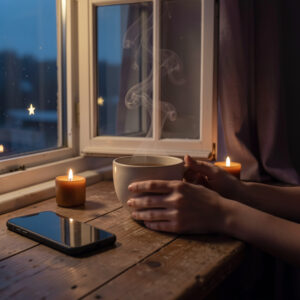
I was sitting with a cup of coffee, sketching ideas for a ritual.
Time slipped — an hour gone, then two.
My body, for once, didn’t resist.
There was no sense of pushing, only doing.
It wasn’t achievement that filled me — it was aliveness.
That’s what Mihaly Csikszentmihalyi (1990) called flow: the state where challenge meets capacity, where action and awareness merge, and the experience itself becomes the reward.
When we’re in flow, our sense of self quiets. Time stretches or disappears. The doing feels like being.
For me, flow feels like being guided — not by external demands, but by something deeper, rhythmic, instinctive. It’s how I recognize I’m feeding my soul again.
But flow isn’t random. It’s not luck or magic; it’s the natural state we enter when we’re aligned with what matters. When we work or create from curiosity instead of fear. When we move from presence instead of pressure.
After I released the dam — the false obligations, the constant pleasing, the noise — I began noticing the streams: the tiny things that naturally drew my attention. The way the light shifted through the window. The sound of my son laughing during our yoga ritual. The quiet joy of painting without a plan.
These are the portals into flow.
Not grand moments of productivity, but subtle points of connection — where life and energy meet without resistance.
Mel Robbins (2023) reminds listeners that the body always knows when you’re aligned. When you feel calm and engaged — not anxious and contracted — you’re likely in flow. The difference between stress and alignment is not how much you’re doing, but how fed you feel by what you’re doing.
Flow is nourishment, not depletion.
It’s where your effort and essence become one movement.
Ritual Invitation
Today, return to one activity that has always felt natural — something that absorbs you without strain.
It might be drawing, cooking, writing, walking, or listening to music.
Before you begin, whisper: “I allow flow to find me.”
Do the activity slowly, without multitasking, without measuring.
When you finish, write down how it felt in your body — not what you achieved, but how you were.
Keep that note as a reminder of your natural rhythm.
Your Turn
What are the activities that make you lose track of time?
When do you feel most alive, calm, or present?
Share a few lines — your stream may help someone else find theirs.
References (APA 7 style)
Csikszentmihalyi, M. (1990). Flow: The psychology of optimal experience. Harper & Row.
Robbins, M. (Host). (2023, May 9). The difference between stress and overwhelm [Audio podcast episode]. In The Mel Robbins Podcast. Sony Music Entertainment. https://www.melrobbins.com/podcast
Keep reading